








- Latest Products

- Latest Products
- Latest Products
- Latest Products
- Latest Products
- Latest Products
- Latest Products
- Latest Products
- Latest Products
- Latest Products
- Latest Products
- Latest Products
- Latest Products
- Latest Products
- Latest Products
- Merchandise


The Ultimate Guide to Travelling with Pets in Australia


Travelling with pets in Australia is part of everyday life. From weekend beach trips to long outback drives, pets often come along for the ride. They’re part of the family, after all. Although road trips with pets can be incredibly rewarding, Australia’s long distances, changing weather, and summer heat mean adequate preparation is essential.
With the proper setup, car travel with pets in Australia can be safe, comfortable and enjoyable for everyone. This guide shares practical pet travel tips to help you:
- Prepare your car
- Protect your pet from the heat
- Make car travel with pets less stressful from start to finish
What to Know Before Travelling with Pets
Before you pack the car, it is worth checking a few basics of pet-friendly road trips:
- Start with your pet’s health:
Make sure your pet's vaccinations are up to date, and they are fit to travel. If your animals have anxiety, motion sickness or health issues, a quick chat with your vet can help you plan ahead. - Pets need to be comfortable in the car:
If pets are not used to travelling, practise with short trips before committing to longer drives. This helps them associate the car with positive experiences. - ID tags and microchips are essential when travelling with pets:
New places mean new risks, and having up-to-date contact details can save a lot of stress if your pet wanders off during a stop.
@snapshades Make every journey more enjoyable and safe from UV rays for your little bubs. 🍼🚗✨ Much thanks to @Boston.hudsonbanks for the video. #snapshades #carshades #carwindowshades #sunprotection #travellingwithkids #babyonboard #toyota #toyotahilux4x4 #hilux #slipslopsnap #fyp ♬ original sound - S N A P S H A D E S
Pet Travel Rules and Safety in Australia
Australian road rules require pets to be adequately restrained in vehicles, although laws vary slightly from state to state. Unrestrained pets are dangerous for both the animal and the driver, potentially:
- Distracting the driver
- Interfering with pedals or airbags
- Becoming a serious projectile in a sudden stop
This puts everyone in the car at risk. Common restraint options include:
- Crash-tested harnesses attached to seatbelt points
- Secure crates or carriers
- Pet barriers for wagons and 4x4s
The safest option depends on:
- Your pet’s size
- Their temperament
- Your vehicle
Whatever you choose, the key is making sure your pet cannot move freely around the cabin.
Preparing Your Car for Pet Travel
A well-prepared car makes travelling with pets much easier:
- Create a comfortable space where your pet can lie down, sit or stand safely.
- Good airflow is essential, especially during warmer months. Pets feel heat faster than humans and rely on panting to cool down.
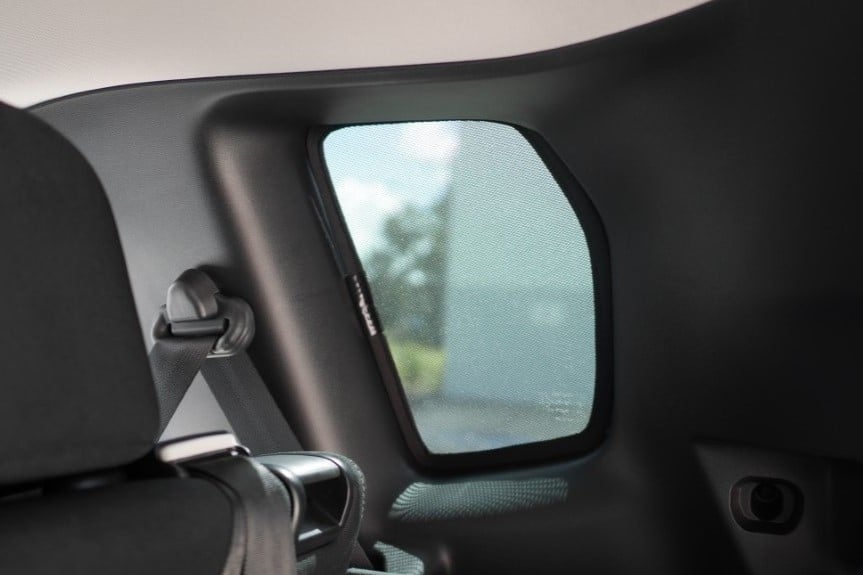
- Reducing heat and glare is one of the most critical steps. Snap Shades’ side window shades (84.6 % UV protection) can:
- Block sunlight
- Eliminate glare
- Reduce cabin temperature
- Protect pets from harsh UV exposure
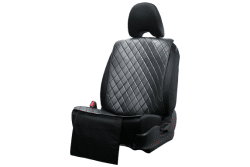
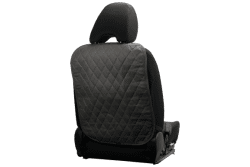
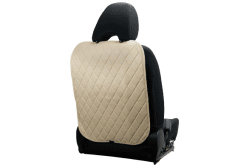
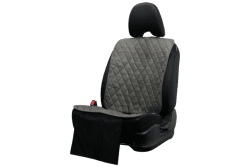
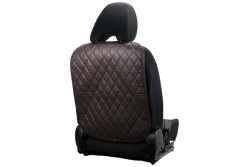
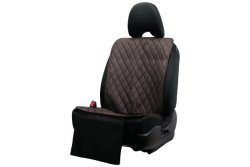
- Protecting your car interior makes clean-up easier. To combat fur, dirt, and muddy paws on pet-friendly road trips, consider:
- Seat covers
- Boot liners
- Washable bedding
Keeping Pets Cool and Comfortable on Long Drives
Cars heat up quickly, even on mild days. Direct sun through windows can raise internal temperatures faster than many people realise:
- Always carry plenty of fresh water and offer it regularly
Travel bowls or spill-resistant containers work well on the road. - Shade and airflow are critical
Window shades help reduce direct sun while allowing air to circulate. - Never leave pets unattended in cars, even for short stops
Temperatures can soar to dangerous levels in minutes. - Plan regular breaks every two to three hours
Let pets stretch, toilet and relax somewhere safe. Rest stops, quiet parks and pet-friendly service areas make long drives far more manageable.
What to Pack When Travelling with Pets
One of the most impactful pet travel tips is to pack the right items to make car travel with pets far less stressful:
- Enough food and water for the trip
- Appropriate bowls
- Leash, harness or carrier
- Bedding or blanket (preferably one that smells familiar)
- Waste bags or litter supplies
- Towels and wipes for muddy paws
- Favourite toys or comfort items
Having these basics on hand helps your pet settle faster in new environments.
Finding Pet-Friendly Stops and Accommodation
Pet-friendly road trips are much easier with a bit of planning.
- Research rest stops, beaches and parks that allow pets along your route
Many councils clearly list dog-friendly areas online; don’t forget to check local rules about leashes and access. - When staying overnight, book pet-friendly accommodation in advance
Cabins, motels and campgrounds often have limited rooms, especially during peak travel periods. Clear communication avoids surprises and ensures a smoother stay for everyone.
Travelling with Different Types of Pets
Dogs and cats travel very differently. Dogs often enjoy car trips once settled, while cats may need extra time and secure carriers to feel safe.
Puppies and older pets may need more frequent breaks and shorter travel days. Nervous travellers benefit from:
- Familiar bedding
- Calm voices
- Consistent routines
Keep things simple. A calm, sun-protected environment, steady driving and ample stops go a long way in reducing stress.
Why a Well-Prepared Car Makes Pet Travel Easier
A properly set-up car reduces stress for pets and drivers alike. Pets feel more secure when they are:
- Cool
- Shaded
- Safely restrained
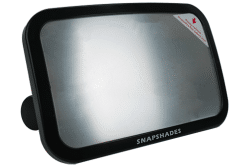
Drivers can focus on the road without worrying about distractions. This means safer driving and more enjoyable trips. Even small additions, such as safety mirrors that help you check on pets in the back seat, can provide peace of mind without being intrusive.
When your car works for your pet, the journey becomes part of the adventure rather than a stressful challenge.
FAQs About Travelling with Pets in Australia
Is it legal to travel with pets unrestrained in Australia?
No. Pets must be adequately restrained to prevent injury and distraction. Rules vary slightly by state, but unrestrained pets can lead to fines and safety risks.
How often should you stop on long road trips with pets?
Most pets benefit from a break every two to three hours for water, toileting and movement.
What’s the safest way to transport a dog in a car?
When travelling with dogs in Australia, a crash-tested harness, a secured crate, or a pet barrier is generally the safest option, depending on your vehicle and your dog's size.
How can you keep pets cool while travelling in summer?
Use shade, provide airflow, keep plenty of water available, take regular breaks, and never leave pets unattended in parked cars.